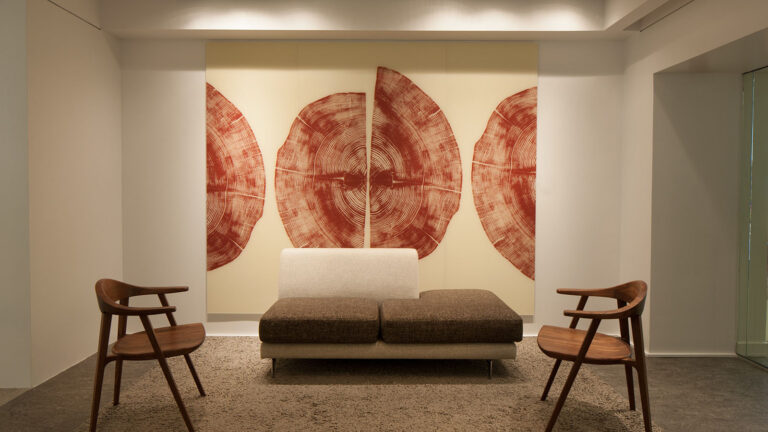
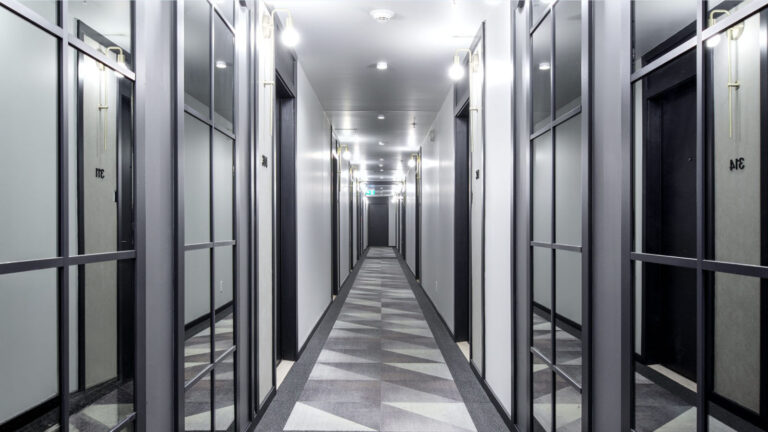
Mirrors don’t just add a decorative accent to homes, offices, restaurants, and hotels. They can also be used for enhanced daylighting, with mirrors reflecting and diffusing natural light in a myriad of ways.
Under current energy codes and standards, daylight optimization is transitioning from a nice-to-have feature to an absolute requirement. The value proposition for daylight optimization is fairly simple: as daylight levels increase in a space, electric light levels can automatically decrease to maintain target light levels and save energy.
Here are some examples of how to increase natural sunlight with mirrors:
- Focus on areas where the light naturally strikes.
- Assess natural light changes throughout the day and seasons.
- Use mirrors somewhere in or near spaces with substantial natural light.
Gardner Walker Mirror Solutions
Are you interested in enhanced daylighting with mirrors? We invite you to explore our wide range of mirror and acid-etched mirror products.
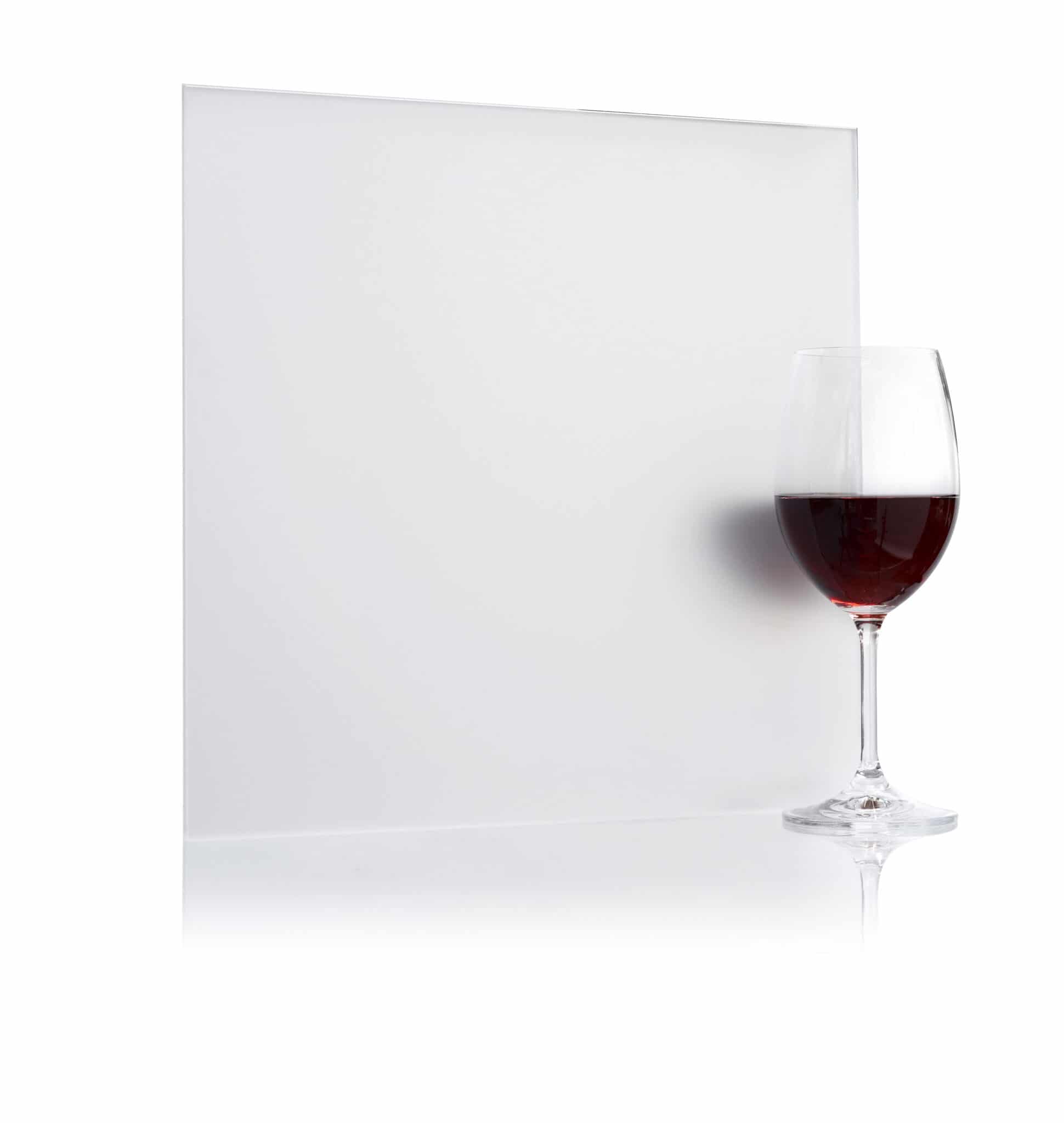
The benefits of mirrors for natural lighting indoors
Mirrors can be used to increase daylight penetration into a space and maximize daylight harvesting to reduce the need for artificial light. This is great for those who work in an office, as many studies have shown that natural light enhances people’s mood and behaviour. Mirrors can reflect sunlight into poorly lit spaces, solving the problem and helping to save energy at the same time.
Strategically tilted mirrors can provide a large amount of natural light by reflecting sunlight around a space, making the interior look brighter and larger. As most interior designers know, mirrors make a room look bigger by reflecting a large portion of the other side of the room, and increased daylight further enhances this effect. This makes adding a mirror to a small office or home entrance a winning combination!
Sustainable design
Gardner Walker offers EPD and HPD® documentation for all of its mirror products, so architects can be confident in their material selections. For a copy of the EPD and HPD® documentation for Gardner Walker products, please contact your local architectural representative or download the environmental data sheets here.
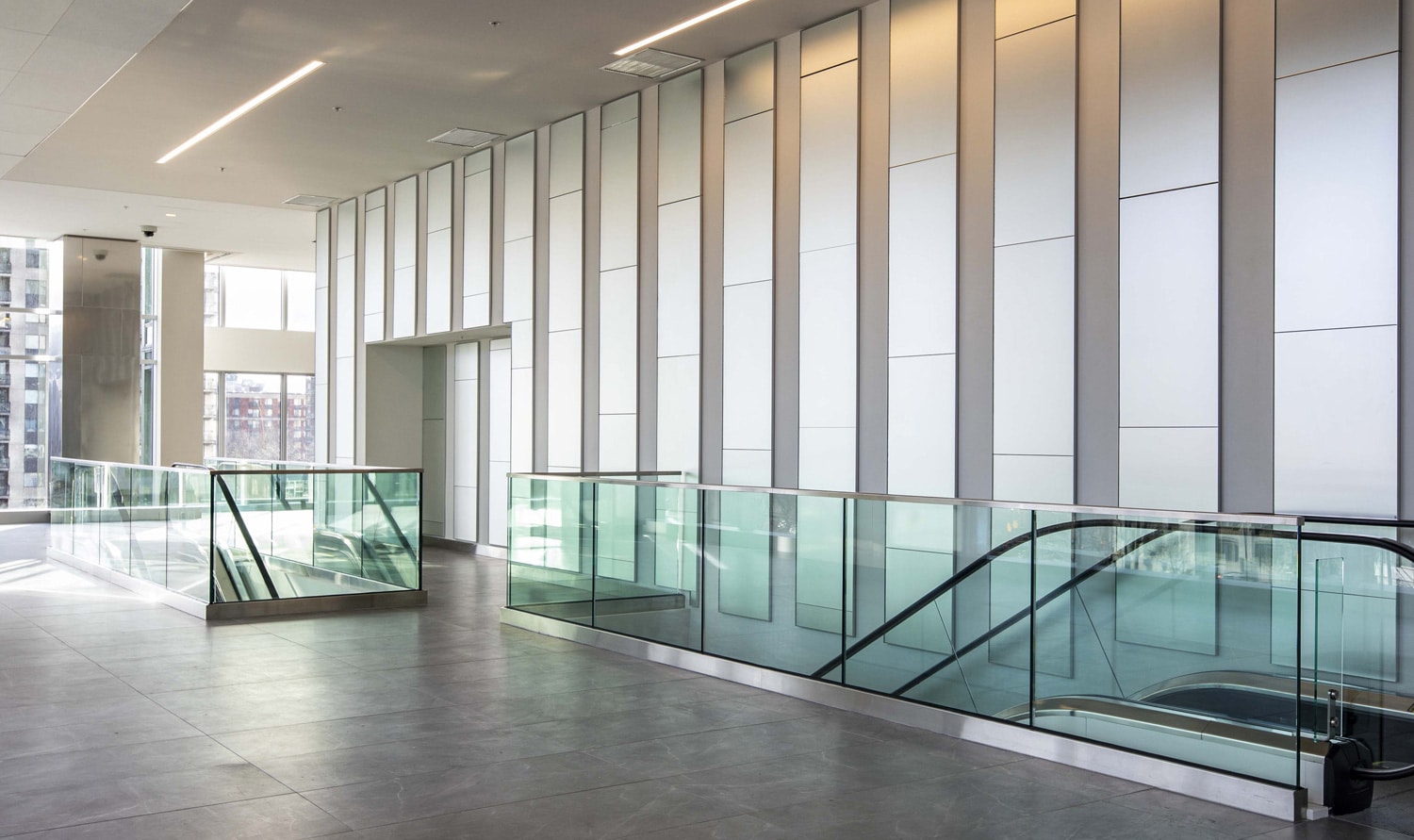
Acid-etched, low-iron mirrors diffuse light through the interior of the TDC2 tower in Montreal, softening and dispersing daylight into various corners of the building.
See more mirror projectsHow to use mirrors to reflect sunlight into dark spaces
Using multiple mirrors in harmony can increase light reflection and dramatically improve natural daylighting in darker rooms. To achieve this, first determine where the light will travel. Once it reaches the mirror, position a second one so that it reflects the same beam of light. For example, placing a mirror adjacent to a window is often a good approach.
Mirrors can also be used to capture often-overlooked sources of natural light, such as skylights. They can also reflect ambient light to add a gentle glow to a given space. Acid-etched mirrors are a particularly good choice for enhancing natural lighting in a soft and subtle way. They are perfect for absorbing and holding light in a selected area of a space, and diffusing it for better visual comfort.
Mirrors and acid-etched mirrors can be used in countless applications such as doors, furniture components, decorative accents, wall cladding, sliding partitions, free-standing structures, and much more!